
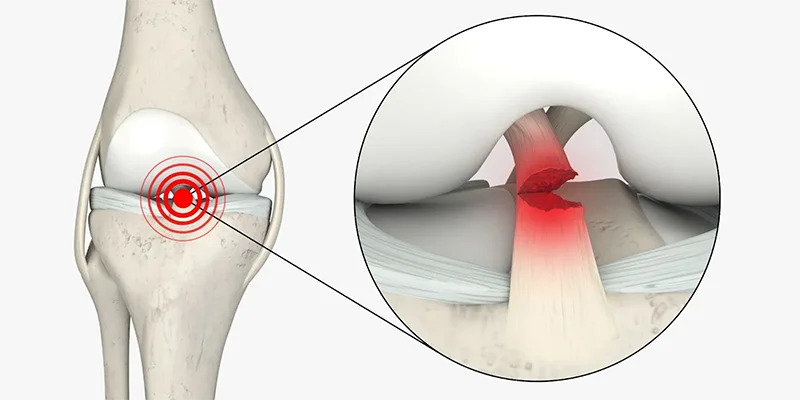
Knee Ligament & Meniscus Injury – Diagnosis and Advanced Treatment
Knee ligament and meniscus injuries are among the most common causes of knee pain, especially in athletes, active individuals, and elderly patients. These injuries can occur due to sudden twisting, sports trauma, falls, road accidents, or degenerative changes in the knee joint. Early diagnosis and proper treatment are essential to prevent long-term knee damage and arthritis.
Our orthopedic team specializes in the accurate diagnosis, non-surgical management, and advanced arthroscopic (keyhole) surgery for knee ligament and meniscus injuries, helping patients return to daily activities and sports safely.
What are Knee Ligament Injuries?
Knee stability depends on four major ligaments:
- ACL (Anterior Cruciate Ligament)
- PCL (Posterior Cruciate Ligament)
- MCL (Medial Collateral Ligament)
- LCL (Lateral Collateral Ligament)
Ligament injury usually occurs due to:
- sudden twisting of the knee
- sports like football, basketball, kabaddi, cricket
- direct blow during road traffic accidents
- jumping and improper landing
Symptoms include knee pain, swelling, instability, difficulty walking, locking or giving way of the knee.